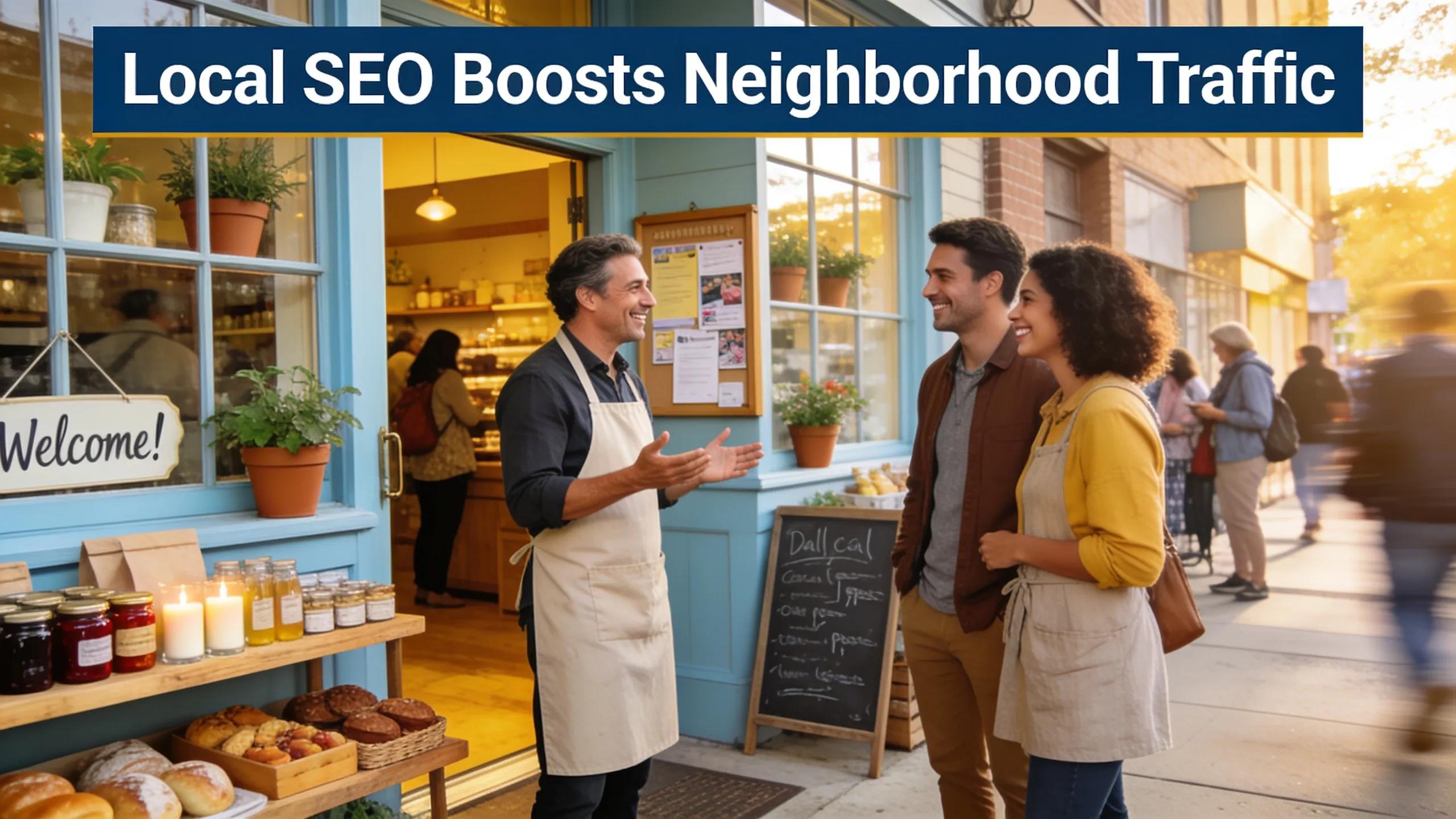
Local SEO Best Practices: The Ultimate Guide to Dominating Your Local Market
Local SEO Best Practices: The Ultimate Guide to Dominating Your Local Market
By Jeff Dana, Floatmybiz
Navigating the digital landscape can be daunting for businesses aiming to improve their local visibility. Understanding local SEO is crucial for small and mid-sized businesses seeking to attract nearby customers and stand out in their local markets. In this comprehensive guide, readers will discover best practices for optimizing their online presence to enhance local search visibility and drive foot traffic or inquiries. This article outlines essential strategies, including keyword optimization, managing Google Business Profiles, and creating localized content to ensure businesses effectively engage their target audience. Additionally, we will cover how continuous improvement and monitoring can fine-tune your local SEO efforts.
Local SEO Best Practices Guide
Local SEO comprises various strategies tailored to enhance a business's visibility in local search results. It's crucial for businesses to employ effective techniques that connect them with potential customers in their geographical areas. This guide emphasizes the importance of local search intent and how it aligns with overall digital marketing strategies. By following these best practices, businesses can improve their ranking positions in search engines and drive relevant traffic.
Local Optimization for Retailers: Boosting Organic Traffic The Purpose of the presented research is to substantiate the importance of the local optimization of the retailer’s business for search engines to increase organic traffic; to represent insights and give practical recommendations for retailers regarding local optimization of their business in Google as part of an effective marketing strategy; to create the typical valid data micromarking (by the example of the Ukrainian retailer), which will contribute to an advantageous placement in the Local Pack in comparison with competitors, and increase organic traffic and conversion. Business optimization in the digital age: Insights and recommendations, A Natorina, 2020
Keyword Optimization
Keyword optimization is the foundational step in any effective local SEO strategy. This process involves identifying and utilizing relevant keywords that your target audience is genuinely searching for in your locale. Conduct thorough keyword research to pinpoint local terms and phrases that effectively express your products or services.
Conduct Comprehensive Keyword Research: Use tools like Google Keyword Planner or SEMrush to find keywords relevant to your business that have local search volume.
Utilize Localized Keywords: Incorporate geographical terms alongside primary keywords to enhance relevance, such as "plumbing services in [City Name]."
Optimize Website Elements with Keywords: Ensure that your website's title tags, meta descriptions, headings, and content are infused with these localized keywords to signal search engines of their relevance.
Google Business Profile Management
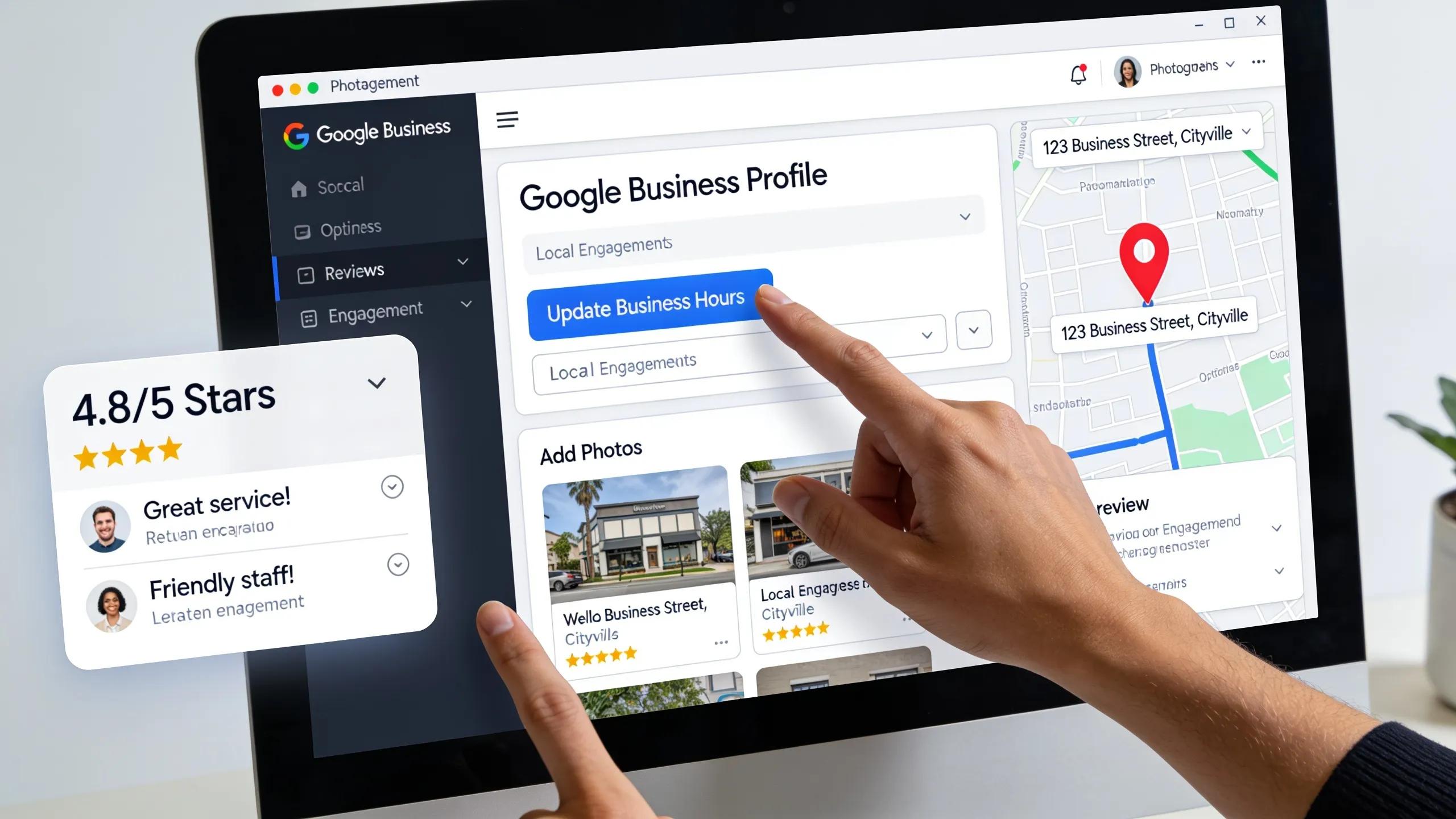
Managing your Google Business Profile (GBP) effectively is essential for local SEO success. This profile acts as your business's online storefront, influencing how your brand appears in local search results.
Google Business Profile 2026 Setup and Optimization The 2026 setup happens entirely inside Google Search and Maps, takes 12 to 18 minutes if your category is straightforward, and routes through one of four verification paths depending on your business type. Pick the wrong path and you wait three weeks for a postcard that may never arrive. I’ve walked clients through 200+ new Business Profile setups over the last eight years. The current 2026 flow is the cleanest version Google has shipped, but it’s also the one with the most undocumented edge cases. This tutorial covers the full setup, eligibility, the in-Search creation flow, every 2026 verification method, and the first-day optimization moves that get you into the local pack inside 30 days instead of 90.How to Create a Google Business Profile in 2026 (Full Tutorial), 2026
Setting Up a Profile: Ensure your GBP is complete, including your business name, address, and phone number (NAP), which must be consistent across all platforms.
Importance of Accurate NAP: Maintaining accurate business information across different directories helps improve your credibility and enhances local search results.
Engaging Customers via GBP: Utilize GBP features, such as posting updates, responding to customer reviews, and answering questions to foster community interaction and enhance customer service.
FloatMyBiz can assist you in optimizing your Google Business Profile for better visibility and engagement. Consider scheduling a consultation to learn about effective strategies tailored to your business needs.
Local Link Building
Local link building involves acquiring backlinks from reputable local sources to increase domain authority and search visibility, aiding in the establishment of trustworthiness in local circles.
Building Local Citations: Register your business on local directories and citation sites to increase awareness and visibility.
Developing Partnerships: Form partnerships with local businesses or organizations that can lead to mutual linking opportunities, enhancing credibility.
Engaging in Community Activities: Participate in or sponsor local events, increasing the chances of earning local press mentions and backlinks from affiliated local websites.
By leveraging local link-building strategies, companies can create a robust online presence. FloatMyBiz offers specialized services to streamline your local SEO efforts and maximize your outreach potential.
Local SEO on Google Maps for Business Growth In today’s digital era, consumer behavior in searching for building materials and home renovation services has shifted to digital platforms, especially Google Maps. Traditional building material businesses still lag behind in digital visibility and often lose competitiveness against modern building depots. This community service activity aims to help traditional MSMEs survive and grow through digitalization by increasing business visibility and customer footfall conversion. This study applied a local Search Engine Optimization (SEO) approach through a case study of a building material MSME. The research stages included initial observation of the business profile and customer visits, implementation of Local SEO optimization strategies, and final observation to evaluate the resulting changes. Optimization strategies included completing business information, applying local keywords, adding visual content, and actively managing customer reviews.Implementation of local seo on google maps for increasing footfall conversion in building store business, 2026
Managing Customer Reviews
Customer reviews play a pivotal role in enhancing a business's reputation and visibility in local search results. They are a key factor influencing consumer decisions and ranking algorithms.
Encouraging Reviews: Prompt satisfied customers to leave positive reviews on your GBP and other review platforms, enhancing your credibility.
Responding to Reviews: Actively engage with both positive and negative reviews to demonstrate your commitment to customer feedback and satisfaction, improving brand reputation.
Using Reviews for Content: Leverage user-generated content from reviews to create engaging marketing materials that resonate with potential customers.
Customer Review Platforms Comparison
To aid businesses in understanding which review platforms can enhance their reputation management strategies, consider the following table:
Review PlatformKey FeaturesBest ForGoogle My BusinessDirect visibility in search resultsLocal business visibilityYelpCustomer engagement toolsService-oriented businessesFacebookCommunity interactionBrand visibility & outreach
This comparison underscores how using the right mix of platforms can enhance a business’s online reputation.
Localized Content Creation

Creating localized content involves tailoring your online content to reflect the interests and needs of the local audience. This practice enhances engagement and relevance in the community.
Creating Location-Specific Pages: Develop dedicated landing pages for different locations served, ensuring each page has unique content optimized for local keywords.
Publishing Local-Centric Blog Posts: Craft blog posts around local news, events, or activities, making your site a relevant source of information.
Highlighting Community Interests: Feature local businesses, people, or events in your content, aligning your brand with community values and increasing local engagement.
These strategies reinforce your connection with the community and encourage local customers to interact with your business.
Ongoing Optimization and Monitoring
The digital landscape is continuously evolving, making ongoing optimization and monitoring critical for sustained local SEO success. Regular assessments of your strategy help ensure effectiveness.
Tracking Performance Metrics: Use analytics tools to monitor local SEO performance indicators, such as organic traffic, search rankings, and conversion rates.
Refreshing Old Content: Update existing content to reflect current information or trends and optimize with new keywords, which can enhance visibility.
Adapting to Algorithm Changes: Stay informed of changes to search algorithms and adjust your SEO strategies accordingly to maintain competitive advantage.
By prioritizing ongoing optimization, businesses can stay ahead of competitors in an ever-changing marketplace. FloatMyBiz is equipped to assist with ongoing evaluation and implementation of best practices for local SEO.